Bed Bug Hotspots in Queens — Neighborhoods Most Affected in 2026
Which Queens neighborhoods have the highest bed bug rates and why — housing stock, transit access, and density all play a role.
Quick Answer
Jackson Heights, Woodside, Flushing, and Jamaica are among Queens’ most bed bug-affected neighborhoods, according to NYC Housing Preservation and Development complaint data. These areas share three risk factors: pre-war multi-family apartment buildings, high resident turnover, and proximity to major transit hubs. Residents in these neighborhoods should inspect used furniture and second-hand mattresses before bringing them indoors.

Queens has more reported bed bug complaints than any other New York City borough based on NYC 311 and Housing Preservation and Development data for recent years. That is not a coincidence. The borough’s combination of dense pre-war housing stock, two international airports, high population density, and significant year-round apartment turnover creates conditions that bed bugs thrive in. Some neighborhoods within Queens face substantially higher rates than others.
This post identifies the specific neighborhoods in Queens with the highest bed bug risk, explains why each one sees elevated rates, and gives residents in those areas practical steps they can take.
Jackson Heights
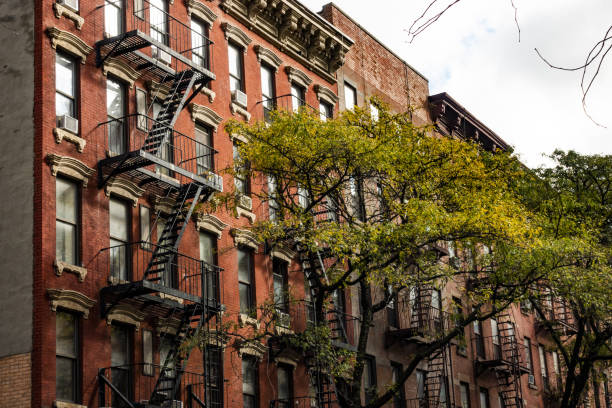
Jackson Heights ranks consistently among Queens’ highest neighborhoods for reported bed bug infestations. The neighborhood is characterized by pre-war six-story elevator buildings and attached brick apartment houses, most of them built between 1910 and 1940. These structures feature shared walls, common basements with laundry facilities, and elevator banks — all known travel paths for bed bugs moving from unit to unit.
Jackson Heights also has one of the highest residential density levels in New York City, with tens of thousands of residents packed into a relatively compact footprint. High apartment turnover is driven by the neighborhood’s affordability relative to Manhattan. When apartments turn over quickly, the likelihood that infested furniture is left on the curb or moved through common hallways increases. That furniture is a primary source of bed bug introduction in the neighborhood.
If you live in Jackson Heights and are concerned about a potential infestation, schedule a free inspection before the infestation spreads to adjacent units.
Woodside
Woodside shares many of the same risk factors as Jackson Heights. Older multi-family residential buildings line most of Woodside’s residential blocks, and the neighborhood’s proximity to the 7 train corridor creates the same high-turnover dynamic seen in Jackson Heights. Woodside also borders Long Island City, which has seen significant new development and associated population movement that adds additional infestation pressure.
The pre-war apartment buildings in Woodside often have original plaster walls with cracks and gaps that were sealed and re-sealed over decades without full remediation. Those gaps are harborage sites that make infestation detection harder and treatment more demanding.
Flushing
Flushing presents a different risk profile than Jackson Heights or Woodside. The neighborhood is one of the largest Asian communities in the United States, with a significant international travel population maintaining connections to East Asia, Southeast Asia, and beyond. International travel from and to regions where bed bug rates are elevated — including parts of Southeast Asia and East Asia — creates a consistent reintroduction risk through infested luggage.
Flushing’s housing stock ranges from older attached brick buildings to newer multi-family developments. The newer buildings often have smaller units with shared laundry and tight hallway configurations. The older buildings share the pre-war risk profile common across western Queens. Both housing types see bed bug activity.
Jamaica
Jamaica has one of Queens’ highest concentrations of older residential housing stock alongside a significant commercial center. The neighborhood’s proximity to JFK International Airport — one of the busiest airports in the country for international arrivals — creates a direct reintroduction corridor. Residents returning from travel, hotel workers, and airport employees all live in Jamaica’s residential corridors.
Jamaica also has a significant rental market with high turnover, which correlates with elevated bed bug complaint rates in city housing data. Buildings where residents move frequently are buildings where infested furniture and belongings move frequently.
Sunnyside
Sunnyside’s older apartment buildings and its position along the 7 train corridor contribute to above-average bed bug incidence. The neighborhood is more affordable than many western Queens alternatives, which drives high turnover. Sunnyside’s residential blocks are dominated by four-to-six-story brick buildings dating from the early 20th century.
Astoria
Astoria is one of the most densely populated neighborhoods in Queens. Its diverse population, international character, and significant short-term rental activity along certain corridors all add to bed bug risk. Astoria also receives heavy transit traffic through the N and W subway lines and has seen significant population movement associated with gentrification-driven turnover in recent years.
Long Island City
Long Island City has transformed significantly in the past decade. New high-rise residential developments have added tens of thousands of units, and these new buildings attract a highly mobile population. New construction buildings face different bed bug risk factors than pre-war stock — not structural gaps and plaster walls, but shared elevator banks, laundry facilities, and amenity spaces where cross-unit exposure occurs.
New high-rise buildings in Long Island City also have significant short-term rental activity. Airbnb listings near the Queens waterfront serve the same international traveler population as hotels, and the same infestation risks apply.
Why These Neighborhoods See Higher Rates
Three factors consistently correlate with elevated bed bug complaint rates in Queens neighborhoods: older housing stock with shared infrastructure, high resident turnover, and proximity to major transit corridors or the two airports. Neighborhoods that combine all three see the highest rates. Neighborhoods with only one or two of these factors see moderate rates. No Queens neighborhood is immune.
The EPA notes that bed bugs are found in all types of homes and hotels and are not related to cleanliness. They spread through travel and movement, not through lack of sanitation.
Practical Steps for Residents in High-Risk Areas
If you live in any of the neighborhoods above, these steps reduce your infestation risk:
- Never bring a mattress, box spring, or upholstered furniture from the street into your apartment, regardless of condition
- Inspect secondhand furniture and used clothing purchases before bringing them inside
- After travel, inspect your luggage outside your apartment or in your bathroom before unpacking into closets or bedrooms
- Use mattress encasements on all beds — they make inspection easier and limit harborage sites
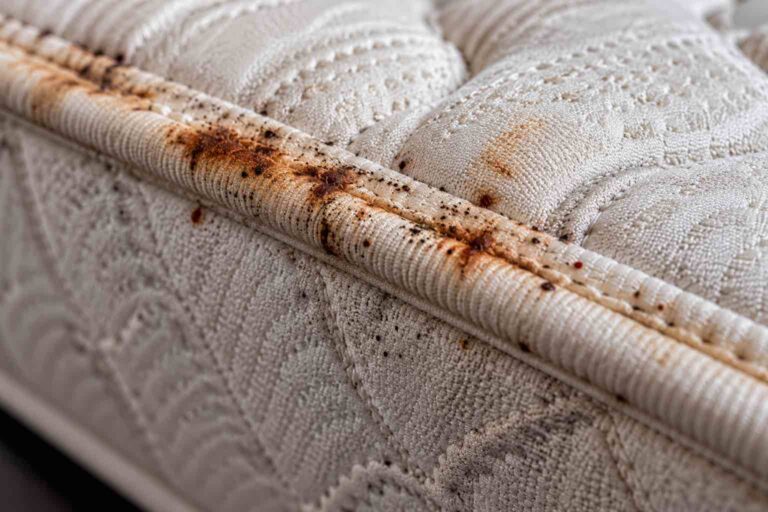
- If you see unexplained bites, rust-colored spots on bedding, or a sweet musty odor in your bedroom, schedule an inspection immediately
- If your building has a history of bed bug complaints, ask your landlord for the Local Law 69 disclosure before signing or renewing your lease
When to Call a Professional
If you have found evidence of bed bugs in your Queens apartment — even a single bug or a few rust-colored spots on your mattress — call a professional immediately. Early infestations are far easier to treat than established ones. Waiting two to four weeks while attempting DIY treatment often allows the infestation to spread to adjacent rooms and neighboring units.
Queens NY Bed Bug Removal offers free inspections with same-day response across every neighborhood in the borough. Call (516) 925-5160 or request an inspection online.
Frequently Asked Questions
NYC 311 data historically shows Queens with a high number of bed bug complaints relative to other boroughs, driven largely by the combination of dense older housing stock and international airport proximity. However, all five boroughs have significant bed bug activity. The difference between neighborhoods within Queens is often larger than the difference between boroughs.
It is possible but relatively uncommon. Bed bugs prefer to harbor near sleeping areas where they can feed regularly. A brief subway commute does not provide enough contact time for reliable transfer. The greater risk is from infested luggage, clothing, or furniture, not transit seats. That said, the NYC subway system has documented occasional bed bug sightings on older upholstered seats.
Yes. NYC Local Law 69 requires your landlord to disclose the bed bug infestation history of your unit and common areas for the prior 12 months before you sign a lease. Even with that disclosure, a professional inspection before you move furniture in gives you documented baseline confirmation of the current state. Call (516) 925-5160 for pre-move-in inspections in any Queens neighborhood.