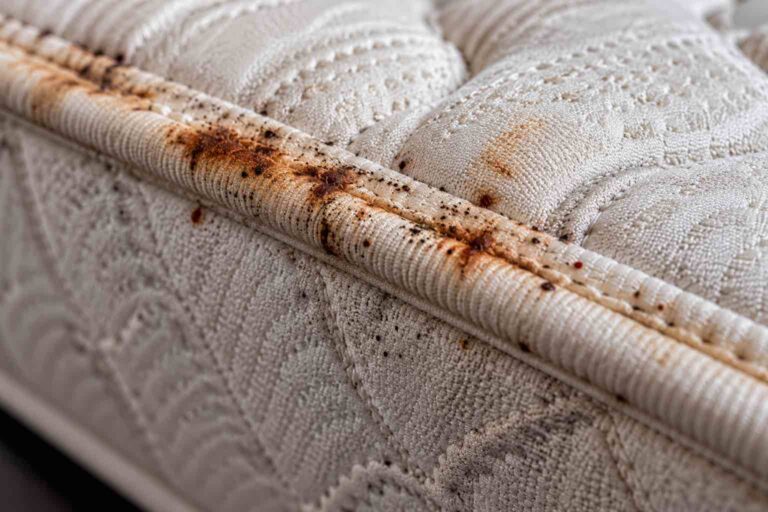
Queens Landlord and Tenant Bed Bug Rights — What Property Owners Must Know
NYC Local Law 69, disclosure requirements, landlord obligations, tenant rights, and what property managers must document to stay compliant.
Quick Answer
Under NYC Local Law 69, Queens landlords must provide prospective tenants with a written 1-year bed bug infestation history for both the specific apartment and the building’s common areas before any lease is signed. Failure to disclose is a violation of the NYC Housing Maintenance Code and can result in fines from the Department of Housing Preservation and Development.
Queens landlords managing multi-family buildings face a specific legal landscape around bed bugs that differs from general pest control obligations. NYC Local Law 69 creates disclosure requirements that apply to every residential lease in the borough, and the NYC Housing Maintenance Code creates ongoing maintenance obligations. This post covers what Queens landlords and property managers need to know.
This post is informational, not legal advice. For specific legal guidance, consult a New York licensed attorney familiar with landlord-tenant law.
What NYC Local Law 69 Requires
NYC Local Law 69 requires landlords in New York City, including Queens, to provide every prospective tenant with a written disclosure of bed bug infestation history before any lease is signed. The disclosure must cover:
- Whether bed bugs were found in the specific dwelling unit during the 12 months prior to the new tenant’s anticipated lease start date
- Whether bed bugs were found in any other unit in the building during the same 12-month period
- Whether bed bugs were found in the building’s common areas — hallways, laundry rooms, lobby — during the same 12-month period
The disclosure must be in writing. A verbal statement does not satisfy the requirement. NYC Housing Preservation and Development (HPD) provides a standard disclosure form. Landlords may use their own form but must cover all required disclosures.
When the Disclosure Must Be Provided
The disclosure must be provided before the lease is signed. It is not sufficient to include it in the lease document alongside other disclosures where a tenant might overlook it. Queens landlords should treat the bed bug disclosure as a separate document acknowledged separately by the prospective tenant.
For lease renewals, the same disclosure obligation applies. A landlord renewing an existing tenant’s lease must provide an updated 12-month infestation history disclosure before the renewal is executed.
Landlord Treatment Obligations Under the Housing Maintenance Code
Beyond disclosure, Queens landlords have an ongoing obligation to maintain residential units free of pest infestations under the NYC Housing Maintenance Code. A bed bug infestation in a rental unit is a housing code violation. When a tenant reports a bed bug infestation in writing, the landlord must arrange for treatment by a licensed pest management professional within a reasonable timeframe.
What constitutes a reasonable timeframe is not precisely defined in the code, but HPD inspectors use 30 days as a general benchmark for serious infestations. Given that bed bug populations can double within 30 days, landlords who wait the full 30 days risk a significantly more difficult and expensive treatment than if they act within the first 7 to 10 days. Faster response is always in the landlord’s financial interest.
Consequences of Non-Compliance
A Queens landlord who fails to disclose infestation history or fails to treat a reported infestation faces several potential consequences:
- HPD violations: A tenant or building inspector can file a complaint with HPD, which may result in civil penalties
- Rent withholding: New York tenants in buildings with HPD violations may have the right to withhold rent under certain conditions
- Warranty of habitability claims: A bed bug infestation that the landlord fails to address may constitute a breach of the warranty of habitability, exposing the landlord to rent reduction claims
- Legal liability: In cases where a landlord knowingly conceals an infestation history, additional legal exposure exists
What Queens Property Managers Should Document
Property managers overseeing Queens residential buildings should maintain the following documentation for each building and unit:
- Signed Local Law 69 disclosure forms for every current and prior tenant within the last 12 months
- Written pest management inspection reports for every inspection conducted
- Written treatment records with dates, scope, products used, and the name and license number of the pest management professional
- Tenant complaint records — date received, written acknowledgment sent to tenant, and treatment action taken
- Follow-up inspection records confirming treatment success
This documentation protects the landlord in HPD proceedings, tenant legal actions, and insurance claims. We provide professional inspection and treatment reports formatted for property management records. Call (516) 925-5160 to discuss documentation packages for multi-unit Queens buildings.
Building-Wide vs. Unit-by-Unit Treatment
Queens apartment buildings present a specific challenge: bed bugs travel through shared walls, electrical conduits, and plumbing chases. Treating only the reported unit without inspecting adjacent units often results in reinfestation within weeks. The professionally sound and ultimately more cost-effective approach is building-wide inspection when any unit reports an infestation.
For Queens landlords managing large buildings, a phased building-wide inspection program identifies infestations before they become established and before tenants file HPD complaints. Quarterly inspection contracts are available for multi-building portfolios.
For more on what a professional inspection covers and what the written report includes, see our bed bug inspection page. For a complete walkthrough of the treatment process, see the treatment process page.
Airbnb and Short-Term Rental Hosts Under Local Law 69
The applicability of NYC Local Law 69 to short-term rental hosts operating under Airbnb or similar platforms is not fully settled in the same way it is for traditional residential landlords. However, short-term rental hosts in Queens operate under a separate and significant set of obligations.
New York City’s short-term rental registration requirements (Local Law 18 of 2022, effective 2023) require short-term rental hosts to register with the city. Hosts have an obligation to maintain their rental properties in a safe and habitable condition — which includes freedom from pest infestations. A guest who reports bed bugs at a Queens Airbnb listing may also trigger a complaint to HPD or the Mayor’s Office of Special Enforcement.
Practically, Airbnb’s own platform policies require hosts to address pest complaints promptly. Failure to do so risks listing suspension and Superhost status loss. For specific guidance on how Queens Airbnb hosts should handle bed bug situations, see our dedicated blog post on that topic.
Frequently Asked Questions from Queens Landlords
This situation turns on the disclosure record. If the landlord provided a truthful Local Law 69 disclosure indicating no infestation history, the tenant bears the burden of proving the infestation predated their tenancy — which is difficult to establish definitively. If the landlord knew of an infestation history and failed to disclose it, the landlord faces significant liability. Professional inspection documentation immediately before a new tenancy is the best protection for Queens landlords in this situation.
NYC Local Law 69 applies to multiple dwelling buildings — generally defined as buildings with three or more dwelling units. Two-family homes typically fall outside this definition. However, general Housing Maintenance Code obligations regarding pest-free habitable conditions apply to all rental properties in New York City, regardless of size. Queens landlords of two-family homes should consult a New York attorney for specific guidance.
A bed bug infestation that the landlord fails to address within a reasonable timeframe after written notice may constitute a breach of the warranty of habitability in New York. Tenants in this situation may have grounds for rent reduction or, in some cases, rent withholding. The specific legal requirements and procedures are defined under New York Real Property Law. A Queens tenant in this situation should consult a tenant advocacy organization or attorney before withholding rent.
NYC Housing Preservation and Development provides a standard bed bug disclosure form on their website at nyc.gov/hpd. Queens landlords may also use their own written disclosure as long as it covers all required content. Many Queens property management attorneys maintain their own compliant disclosure forms as part of standard lease packages. If you need a professional inspection to fill out the form accurately, call (516) 925-5160.