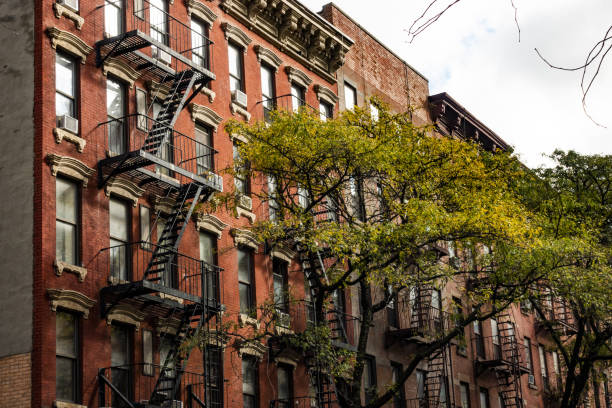
8 Signs You Might Have Bed Bugs in Your Queens Home — What to Look For
The early warning signs most Queens residents miss before a full infestation establishes — and when to stop self-checking and call a professional.
Quick Answer
The 8 most reliable signs of bed bugs in your Queens home are unexplained bites on waking, rust-colored stains on sheets or mattresses, dark fecal spots on mattress seams, shed exoskeletons near sleeping areas, a sweet musty odor, live bugs in mattress folds, blood smears on pillowcases, and eggs or egg casings in furniture crevices.
Bed bugs are experts at avoiding detection. A well-established infestation in a Queens apartment can go unnoticed for weeks or even months. By the time most residents realize they have a problem, hundreds or thousands of bugs and eggs may be distributed across multiple harborage sites throughout the bedroom. Catching the signs early is the single biggest factor in treatment simplicity and cost.
Here are the 8 signs to look for, with specific notes on how Queens housing types affect what you will and will not see.
Sign 1: Unexplained Bites on Waking
Waking up with unexplained red marks or clusters of itchy spots that were not there the night before is the most common reason Queens residents first suspect bed bugs. Bed bugs feed at night, primarily in the hours before dawn. They inject an anesthetic while feeding, which is why most people do not feel the bite.
Bites alone do not confirm bed bugs. Not everyone reacts to bed bug bites — some people show no skin reaction at all, which is one reason infestations in pre-war Queens apartment buildings can spread to adjacent units before the original tenant notices. Bites without other physical evidence warrant an inspection but are not themselves confirmation of an infestation.
Sign 2: Rust-Colored Stains on Mattress or Sheets
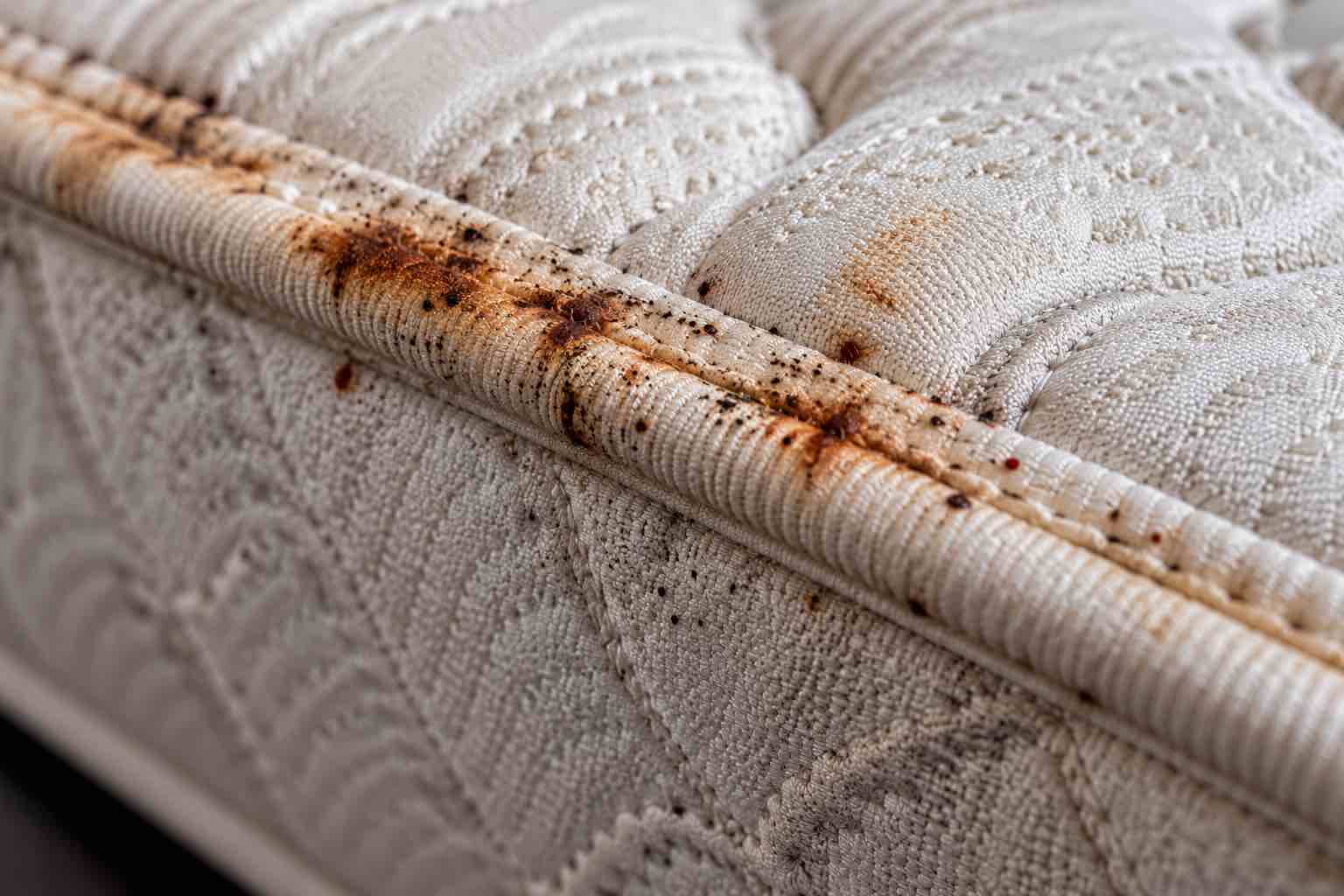
Small rust-colored or brown stains on the mattress fabric, particularly near seams, or on sheets are often from crushed bed bugs that were disturbed during sleep. These stains are approximately 1 to 3 millimeters in diameter and do not wash out easily.
In Queens pre-war apartments with older mattresses and thicker ticking fabric, these stains can be easy to overlook against patterned or darker fabric. Use a flashlight and look specifically at the mattress seam edges.
Sign 3: Dark Fecal Spots on Mattress Seams or Baseboards
Bed bug fecal matter appears as clusters of tiny black or very dark brown dots, each roughly the size of a felt-tip marker period. These are concentrated near harborage sites — mattress seams, box spring fabric, behind headboards, and along baseboards near the bed.
In Queens pre-war apartments, baseboards often have multiple layers of paint built up over decades, creating a lip where the baseboard meets the floor. That lip is a primary fecal deposit site. Run your finger along the inside edge of the baseboard nearest the bed. Dark staining that smears suggests bed bug activity. This is a spot many untrained inspectors miss.
Sign 4: Shed Exoskeletons Near Sleeping Areas
Bed bugs shed their exoskeleton (molt) 5 times before reaching adulthood. These shed skins look like pale, translucent, empty shells roughly the size of an apple seed or smaller for younger nymphs. You will find them concentrated in harborage sites — mattress seams, under the box spring, inside box spring corners, and along baseboards.
In Queens apartments with hardwood floors, shed skins collect in floor gaps and cracks near the bed. Look with a flashlight at a low angle to catch the translucent shells catching the light.
Sign 5: Sweet Musty Odor in the Bedroom
An established bed bug infestation produces a characteristic sweet, musty odor often described as similar to raspberries, coriander, or a damp towel. It is produced by the bugs’ pheromone secretions. A mild infestation will not produce a detectable odor. A significant one — hundreds or more bugs concentrated in one room — will.
This sign is more difficult to detect in Queens older apartments where building smells, cooking odors from neighboring units, and general building age can mask or mimic it. If you notice a new, unexplained musty sweetness specifically in the bedroom that is not present in other rooms, treat it as a warning sign worth investigating.
Sign 6: Live Bugs in Mattress Seams or Box Spring Folds
An adult bed bug is approximately the size of an apple seed — 4 to 5 millimeters — flat, oval, and reddish-brown before feeding, darker and more cylindrical after a blood meal. Nymphs are smaller and lighter in color, ranging from near-translucent in the first stage to progressively darker reddish-brown as they mature.
Finding a live bug is definitive confirmation of an infestation. Use a credit card to drag along mattress seams and fold over the box spring fabric at its corners and edges. A flashlight is essential — bed bugs move away from light and can be easy to miss with ambient lighting.
Sign 7: Blood Smears on Pillowcases
After feeding, bed bugs sometimes get crushed against the pillow or sheets as you shift position during sleep. This leaves small, diluted reddish smears on pillowcases that are smaller and less defined than the rust-colored marks from crushed bugs on the mattress fabric. These smears are particularly visible on white or light-colored pillowcases.
In the older Queens apartments where many residents use darker bedding or patterned pillowcases, this sign is often overlooked. Switch to a white pillowcase for a week if you are trying to confirm a suspicion.
Sign 8: Eggs or Egg Casings in Furniture Crevices
Bed bug eggs are approximately 1 millimeter long — about the size of a pinhead — white or pale yellow, and sticky. They are laid in clusters of 1 to 5 in sheltered crevices near harborage sites. Hatched egg casings look like tiny pale sleeves.
In Queens furniture with fabric-covered box springs and upholstered headboards, eggs are deposited in fabric folds, seam intersections, and staple rows. Wooden bed frames deposit eggs in joints and screw holes. This sign is virtually impossible to detect without a focused inspection using a magnifying glass and proper lighting — which is why a professional inspection catches early infestations that residents miss in self-checks.
Bed Bug Bites vs. Other Insect Bites — How to Tell the Difference
Bed bug bites and other insect bites can be difficult to distinguish without physical evidence from the room. However, there are some patterns that are more characteristic of bed bugs:
- Pattern: Bed bug bites often appear in a line or cluster of 3 (“breakfast, lunch, and dinner”) following a feeding path along exposed skin. Mosquito bites are more random and typically occur at irregular intervals.
- Location: Bed bug bites appear on skin exposed during sleep — arms, shoulders, neck, and face. Flea bites are typically concentrated around the ankles and lower legs where fleas jump up from floor level.
- Timing: Bed bug bites appear after sleeping. Mosquito bites can occur any time you are near standing water or outdoor areas.
- Reaction: Bed bug bite reactions range from no visible mark to significant welting. The reaction is individual and is not a reliable diagnostic tool by itself.
The bottom line: bites alone cannot confirm bed bugs. Physical evidence from the bedroom — fecal spots, shed skins, or live bugs — is required for a confirmed diagnosis. A professional inspection is the most reliable way to distinguish bed bugs from other biting insects.
When to Stop DIY Checking and Call a Professional
If you have found any combination of the above physical signs, stop self-checking and call for a professional inspection. The time spent doing additional self-inspection is time the infestation is spreading. In a Queens apartment building where shared walls connect your unit to neighbors, a delay of even one week can allow bed bugs to establish in adjacent units.
A professional inspection takes 30 to 60 minutes, produces a written report, and is free through Queens NY Bed Bug Removal. See what the inspection covers or call (516) 925-5160 to schedule same-day service. For more on treatment options once an infestation is confirmed, see bed bug removal Queens.
The EPA recommends early treatment as the most effective way to prevent a localized infestation from becoming a building-wide problem.
Frequently Asked Questions
Yes. Studies suggest that roughly 30 percent of people show no visible skin reaction to bed bug bites. In a Queens apartment where two people share a bed, one person may develop visible bite reactions while the other shows nothing. This does not mean one person was not bitten — it means their immune system did not produce a visible reaction. If your partner is getting bitten and you are not, do not assume you are unaffected or that the infestation is small.
Bed bug fecal matter will smear when you drag a damp cotton swab across it, producing a rust or dark brown smear. Dirt or debris from a dirty baseboard will not smear in the same way. Bed bug fecal spots also have a specific location pattern — concentrated near harborage sites within a few feet of the sleeping area, not distributed randomly across the room.
A single live bed bug is significant evidence. It is rarely alone. A single fertilized female can lay 1 to 5 eggs per day and 200 to 500 eggs in her lifetime. If you found one live adult, there are almost certainly eggs and nymphs in nearby harborage sites. A professional inspection will determine whether you have an early-stage introduction or an established infestation. Early stage is far easier and less expensive to treat.
Early-stage infestations in Queens apartments are often not detectable by untrained self-inspection. A bug or two hiding in a mattress seam or behind a baseboard can bite repeatedly without leaving obvious evidence. If you are experiencing unexplained bites from sleep, schedule a professional inspection regardless of what your own search found. Inspection tools and training make a significant difference in early-stage detection.